

The 7 Biggest Mistakes When Moving to Spain
Moving to Spain offers an incredible lifestyle, from sun-drenched coastlines to bustling city centres. However, that dream can quickly sour if you fall into common administrative traps. In our experience as a nationwide Spanish legal and tax firm, we see the same preventable issues derail relocation plans time and again. These aren’t minor inconveniences; they are significant errors that can lead to visa rejections, unexpected tax bills, and months of bureaucratic limbo. This article outlines the 7 biggest mistakes when moving to spain and provides clear, practical steps to avoid them.
We’ll skip the generic advice and focus on the technical details that truly matter. You’ll learn why choosing the correct visa from the start is non-negotiable, how to correctly establish your tax residency to avoid penalties, and what you must do to set up your business or freelance status properly. Before you even consider moving, understanding the administrative requirements and navigating the notarization process for various documents can save you significant time and stress.
This guide is for professionals, entrepreneurs, and families who need to get their relocation right the first time. We’ll cover the specific challenges related to visas, taxes, business registration, healthcare, and rental contracts. By understanding these pitfalls, you can ensure your move is smooth and compliant, letting you focus on enjoying your new life in Spain. Let’s get started.
1. Underestimating the NIE and Tax Residency
One of the most common and damaging mistakes we see is underestimating the importance of your NIE (Número de Identidad de Extranjero) and tax residency. Many new arrivals treat these as secondary tasks, only to discover they are foundational to almost every aspect of life here. Without a NIE, you can’t sign a rental contract, open a bank account, set up utilities, or even buy a car. It is used across many Spanish administrative and commercial procedures.
Similarly, your tax residency status determines where and how you pay taxes. This isn’t something you simply declare; it’s determined by specific rules. You become a tax resident if you spend more than 183 days in Spain during a calendar year or if your main center of economic or vital interests is here. Ignoring this can lead to serious financial consequences, including penalties for non-compliance and unexpected tax bills on your worldwide income.
Real-World Consequences
The problems caused by these delays aren’t theoretical. In our experience, they create immediate, stressful roadblocks.
- A digital nomad arrives ready to work but can’t register as self-employed (autónomo) or invoice clients because they delayed their NIE appointment. This halts their income and puts them in a difficult position with Spain’s tax agency, the Agencia Tributaria.
- An expat couple relocates for a job. They assume only the working spouse is a tax resident. Without proper advice, they’re shocked to learn both may be considered tax residents based on the “center of vital interests” rule, exposing their global assets to Spanish taxation.
Delays in securing your NIE or clarifying tax residency create a domino effect. A simple administrative step, when missed, can halt your ability to work, rent, and comply with the law, costing you time and money.
Before the NIE becomes part of a wider matter
Obtaining an NIE is often only one part of the work. If it is tied to a property completion, company, inheritance or employment deadline, the surrounding residence and tax position should be checked at the same time.
2. Choosing the Wrong Visa for Your Circumstances
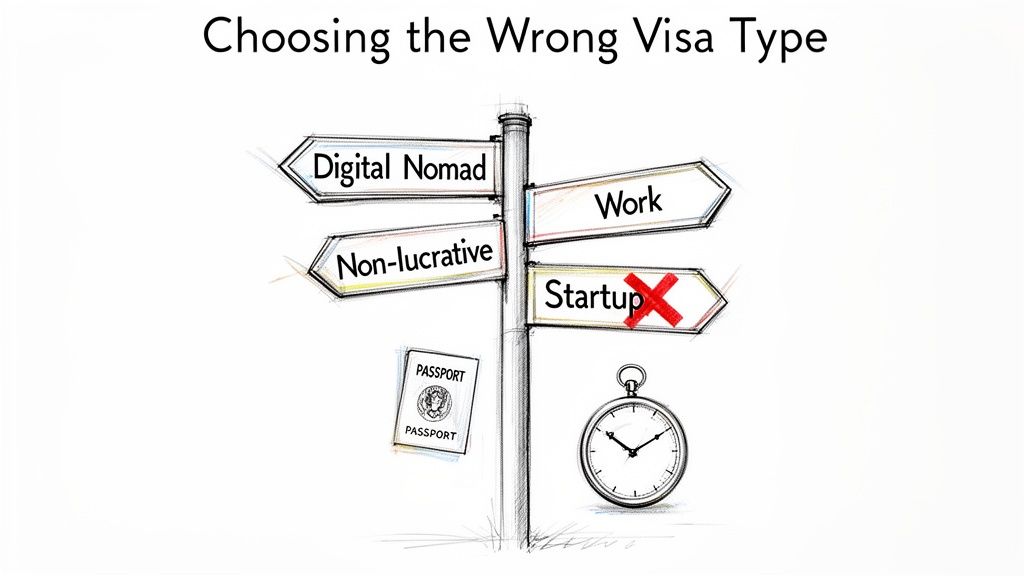
Selecting an inappropriate visa is a fundamental error that can completely derail your plans to move to Spain. We see this often: people underestimate the strictness of visa categories or try to work around the system, leading to legal complications, residency denials, and even forced departure. Each visa—be it the Digital Nomad, Non-Lucrative, or Work visa—has precise requirements for income, employment status, and activity that are not interchangeable.
The Spanish immigration authorities (Extranjería) are very clear: your visa must align with your actual economic activity. Attempting to enter Spain on a tourist visa to work remotely, for example, is a direct violation that can result in fines, deportation, and a ban on re-entry. The visa you choose isn’t just an entry permit; it defines your legal and financial rights and obligations in the country, from your ability to work to your family’s residency status.
Real-World Consequences
A visa mismatch creates immediate and serious problems that are difficult to fix once you’ve arrived.
- A remote worker enters on a Standard Work Visa, which requires a Spanish employer. When they try to continue working for their foreign company, they find it’s illegal. They should have applied for the Digital Nomad Visa and now face a complicated, costly process to switch categories.
- An entrepreneur gets a Digital Nomad Visa to work as a freelancer but then decides to register a Spanish limited company (S.L.). This action violates the visa’s terms, which are for remote work, not for founding a Spanish-based business. They risk having their residency canceled.
Your visa isn’t a suggestion; it’s a legally binding framework for your life in Spain. Choosing the wrong one puts your residency, income, and future in the country at immediate risk.
Choosing the visa route
The right route depends on more than the headline income requirement. Mixed income, remote work, different rights for family members, previous immigration history and any refusal or expiry date should be considered before filing.
3. Missing Tax Obligations and Reporting Deadlines
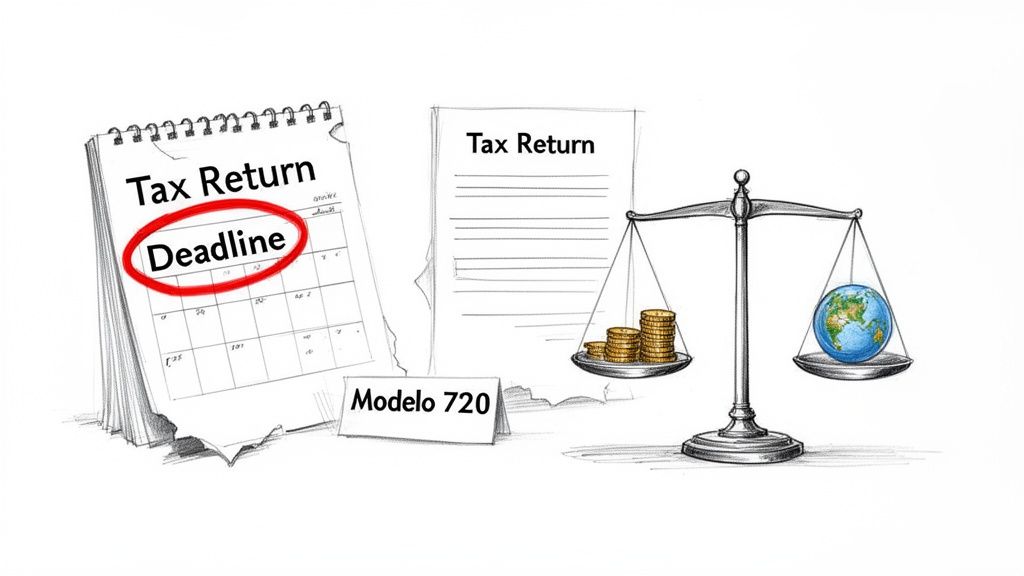
Many relocators seriously underestimate the complexity of the Spanish tax system. A common and costly mistake is assuming your foreign income is exempt or that you can simply continue as a non-resident indefinitely. Once you become a tax resident in Spain, you are obligated to report your worldwide income on the annual Declaración de la Renta. Missing key deadlines can trigger significant penalties, interest, and even investigations by the Agencia Tributaria, Spain’s tax agency.
This isn’t a minor oversight. The Spanish tax system is rigorous, with strict reporting requirements for annual income, quarterly business returns, and foreign assets. Even beneficial regimes like the Beckham Law require precise, timely election and documentation to secure their tax advantages. Ignoring these rules is one of the most serious mistakes you can make when moving to Spain.
Real-World Consequences
The financial fallout from tax non-compliance is severe. We regularly assist clients who have fallen into these traps.
- A digital nomad earning €50,000 annually from foreign clients wrongly believed he could maintain non-resident status. After two years of not filing, he faced over €30,000 in accumulated penalties and back taxes.
- A remote employee who qualified for the Beckham Law failed to elect it within the 6-month deadline after their social security registration. This single error cost them over €50,000 in tax savings, as the exemption cannot be claimed retroactively.
- An expat with a foreign bank account over €50,000 failed to file the Modelo 720 (foreign asset declaration). They were hit with automatic penalties starting at €1,500 for late reporting.
Misunderstanding your tax obligations creates immense financial risk. Simple reporting oversights can escalate into tens of thousands of euros in penalties, turning your Spanish dream into a bureaucratic nightmare.
Tax residence before and after the move
A move part-way through the tax year can affect where income and assets must be reported. The analysis also changes when a company remains abroad or a special regime has a short election window.
4. Delaying Healthcare and Social Security Registration
A common and costly oversight for many moving to Spain is assuming healthcare is automatic or that their home country’s insurance will suffice indefinitely. New arrivals often delay registering with the Spanish National Health System (SNS) and Social Security, creating dangerous gaps in coverage. Access to Spain’s public healthcare is directly tied to your Social Security contributions or specific residency status; it is not a default entitlement.
Delaying this process means you might only have access to emergency care, leaving you to cover routine doctor visits, specialist appointments, and prescription costs out-of-pocket. This is a significant mistake, as the SNS is the foundation for everything from maternity care to chronic condition management.
Real-World Consequences
These registration delays lead to very real and stressful financial and medical problems. In our experience, the consequences can be severe.
- A remote worker on a Digital Nomad Visa relies on their initial travel insurance, delaying their autónomo and Social Security registration. A sudden illness leads to hospitalization, resulting in an €8,000 bill that their basic insurance won’t cover. They also lose months of contributions towards their future Spanish pension.
- A spouse on a family reunification visa assumes they are automatically covered under their working partner’s healthcare. During her pregnancy, she discovers she must be registered separately as a beneficiary, causing significant delays in accessing prenatal care through the SNS.
Missing your healthcare and Social Security registration creates immediate financial risk and long-term disadvantages. What seems like a low-priority admin task can leave you uninsured and ineligible for crucial state benefits when you need them most.
Coordinating healthcare and social security
Insurance, employment and immigration status interact. The dates need to line up when private cover is a visa condition, work or self-employment triggers registration, or dependants rely on the same coverage.
5. Signing a Rental Contract Without Understanding Spanish Law
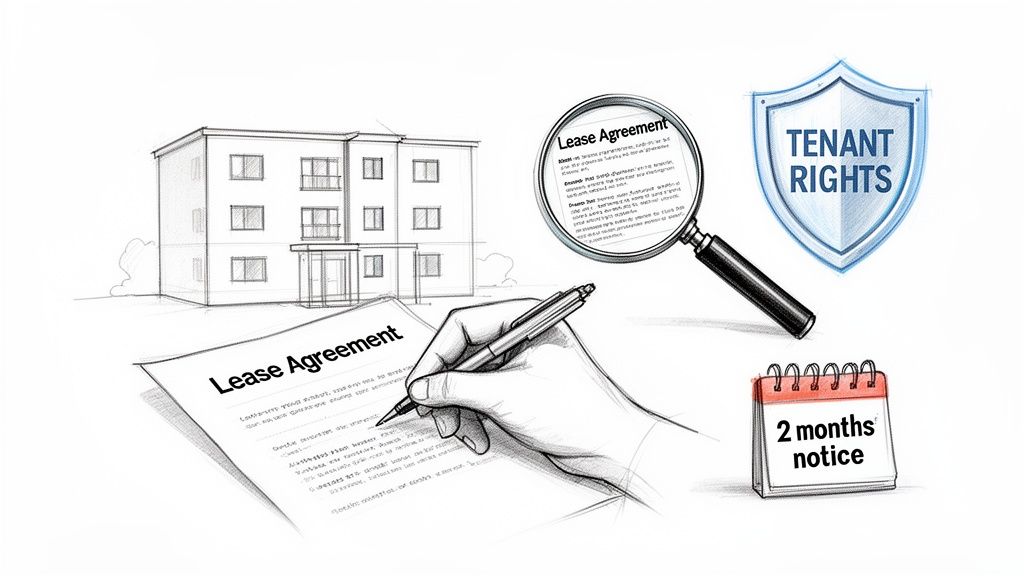
Rushing to sign a rental agreement without a clear grasp of Spanish law is another of the biggest mistakes when moving to Spain. New arrivals often accept terms at face value, unaware that Spain’s Ley de Arrendamientos Urbanos (Urban Leasing Law) heavily favors the tenant. This means your contract may have legal implications, like automatic renewals, that aren’t immediately obvious.
It’s common for foreigners to sign informal or unregistered contracts, known as renting bajo mano (under the table). While it may seem easier or cheaper initially, this puts both you and the landlord at serious risk. The landlord is evading taxes, and you have no legal protection, making you vulnerable to sudden rent hikes, eviction, or loss of your deposit.
Real-World Consequences
We frequently see expats face preventable housing crises because they overlooked the details of their rental agreements.
- An expat signs a one-year lease, believing it’s a short-term commitment. They are shocked to discover the contract automatically renews for up to five years by law, unless they provide specific written notice two months before the end of the term.
- A couple rents a furnished flat with a verbal agreement. When the landlord decides to raise the rent by €200 mid-year, they have no formal contract to enforce the original price, leaving them with no legal recourse.
- A family rents an apartment bajo mano for a good price. They later find out the landlord has significant tax debts, and the property is seized by the Agencia Tributaria. The family faces an emergency eviction with no legal standing to fight it.
An unvetted rental contract is a hidden liability. What seems like a quick solution can lead to legal disputes and the potential loss of your home and deposit.
Before signing a rental contract
A review before signature can identify problems with the deposit, advance payments, permitted use, registration at the address and break clauses. This matters even more when the tenancy is connected to a visa or family move.
6. Postponing Your Business or Freelance (Autónomo) Registration
Many entrepreneurs and freelancers moving to Spain wrongly assume they can operate informally or continue using foreign business structures indefinitely. Postponing registration as a self-employed worker (autónomo) or incorporating a Spanish company is a critical error. It’s not just an administrative formality; it’s a legal requirement that underpins your ability to work, invoice, and comply with Spanish law.
Failing to register creates immediate and serious complications. You can’t legally invoice Spanish clients, which often means you can’t get paid. You also become ineligible for deducting business expenses and face significant penalties for unpaid social security contributions and tax non-compliance. The Spanish authorities do not permit retroactive registration to fix past mistakes; delays trigger automatic fines.
Real-World Consequences
These registration delays lead to stressful and costly outcomes. We see these scenarios frequently:
- A digital nomad freelancer operates for six months without autónomo registration, earning €15,000. When discovered, they face over €500 in late registration penalties, six months of back-dated social security contributions (at least €1,800), and are disqualified from deducting any business expenses from that period.
- A consultant earning over €40,000 annually works as an unregistered freelancer. When a major client requests an invoice with Spanish VAT (IVA), they discover they can’t legally provide one and lose the contract.
- A married couple, both freelancers, register separately as autónomos. They needlessly pay double social security costs, over €2,400 extra per year, because they were unaware of the autónomo colaborador (family assistant) status, which could have saved them over 50% on the second person’s contributions.
Operating any business activity without proper registration in Spain isn’t a grey area; it’s a violation. The system is designed for immediate compliance, and delays result in financial penalties and an inability to conduct business legally.
Starting a business or autónomo activity
Registration, work permission, VAT and social security need to match how the activity will actually operate. Starting work before registration, keeping clients abroad or managing the business from outside Spain can change the analysis.
7. Overlooking Family Visa and Spousal Work Rights
One of the most emotionally and financially draining mistakes we see is families underestimating the complexities of Spanish family visas. It’s a common assumption that securing one person’s residency automatically covers their spouse and children. In reality, Spanish law requires each family member to have their own valid visa or residency permit, and a spouse’s right to work is not automatic; it depends entirely on the primary visa holder’s status.
This oversight is particularly damaging for non-EU families. The processing times for family reunification can be long, and the income requirements are strict and cumulative. For example, the primary applicant for a Non-Lucrative Visa needs to prove access to around €28,800 annually (400% of IPREM), but this figure increases by approximately €7,200 (100% of IPREM) for each additional family member. Ignoring these details can lead to premature departures, forced separation, or illegal employment situations that put the entire family’s residency at risk.
Real-World Consequences
These complications create immediate disruptions for families trying to build a new life in Spain.
- A tech professional with a work visa assumes his non-EU spouse can start her new job immediately. She can’t. The family reunification process takes months, during which she is legally barred from working, resulting in lost income and career delays.
- An EU citizen moves to Spain with their non-EU partner. The EU partner registers their residency easily and can work from day one. However, their partner must wait up to 90 days for the family reunification card (Tarjeta de Familiar de Comunitario), unable to sign a work contract during that time.
Assuming your family’s immigration status is an extension of your own is a critical error. Each dependent requires a separate, correctly processed application, and failure to coordinate this can fracture a family’s financial and legal stability.
Family residence and work rights
Family applications depend on the legal basis of the relationship and the sponsor’s status. An unregistered relationship, dependency, children from an earlier relationship or uncertain work rights can change both the documents and the route.
Comparing the 7 Biggest Mistakes When Moving to Spain
| Mistake | Complexity | Resources Needed | Key Outcome of Avoiding It | Who is Most Affected? | Main Advantage of Getting it Right |
|---|---|---|---|---|---|
| NIE & Tax Residency | Moderate | NIE appointment, forms, proof of need | Legal ID, bank access, tax compliance | All new arrivals | Enables all other legal/financial activity |
| Wrong Visa Type | High | Income proof, legal advice | Lawful residency and work rights | Remote workers, entrepreneurs, families | Secures correct legal status and renewal path |
| Missing Tax Deadlines | High | Tax advisor, good records | Penalty avoidance, tax optimization | All tax residents, especially freelancers | Financial security and legal compliance |
| Healthcare Registration | Moderate | Residency card, padrón, social security number | Access to public healthcare system | Everyone, especially families and those with health needs | Comprehensive, low-cost medical care |
| Unvetted Rental Contract | Moderate | Legal review, formal contract | Secure housing and tenant rights | All renters | Strong legal protection against eviction/disputes |
| Delayed Business Setup | High | Autónomo registration, social security fees | Ability to legally invoice and work | Freelancers and entrepreneurs | Legal operation and access to business deductions |
| Family Visa Issues | High | Coordinated applications, higher income proof | Family unity and spouse's work rights | Families with non-EU members | Smooth transition for the whole family |
Final Thoughts
Moving to Spain is an exciting journey, but it's paved with administrative complexities. The 7 biggest mistakes when moving to spain we've covered—from neglecting your NIE to misunderstanding spousal work rights—all stem from underestimating the specificity of Spanish law.
- Proactive Planning is Non-Negotiable: The most frequent issue we see is clients trying to fix problems that could have been prevented. Getting your NIE early, choosing the correct visa, and understanding your tax residency are foundational steps.
- Assumptions are Dangerous: Don't assume the process is similar to your home country. Spanish regulations have their own logic, from the requirement for an empadronamiento to specific income thresholds for visas like the NLV (€28,800/year) or Digital Nomad Visa (EUR2,850/month).
- Integration is a Legal Process: True integration means correctly registering with the system: obtaining your TIE card, signing up for Social Security (alta en la Seguridad Social), and fulfilling your tax duties. These are legal obligations that protect your right to live and work here.
Your Next Steps
The difference between a stressful relocation and a successful one lies in turning this knowledge into action. Your goal isn't to become an expert on Spanish immigration law overnight. Your goal is to build a clear, personalized roadmap that addresses your specific situation.
Key Takeaway: The biggest mistake of all is thinking you have to figure it all out alone. The Spanish system is detailed and interconnected. Professional guidance isn't a luxury; it's a tool for efficiency and peace of mind.
By avoiding these seven common pitfalls, you’re investing in your future here, ensuring you can focus on what truly matters: building your life and enjoying the incredible experience that Spain has to offer. The administrative side is simply the price of admission, and with the right support, it's easily managed.
Don't let bureaucracy stand between you and your Spanish dream. Our team specializes in turning complex legal requirements into a clear, manageable checklist for expats online across Spain. Contact us, and we'll help you navigate every step, from choosing the right visa to optimizing your taxes and setting up your business correctly.